

Add us to your preferred sources.

What is AEO: Answer Engine Optimization
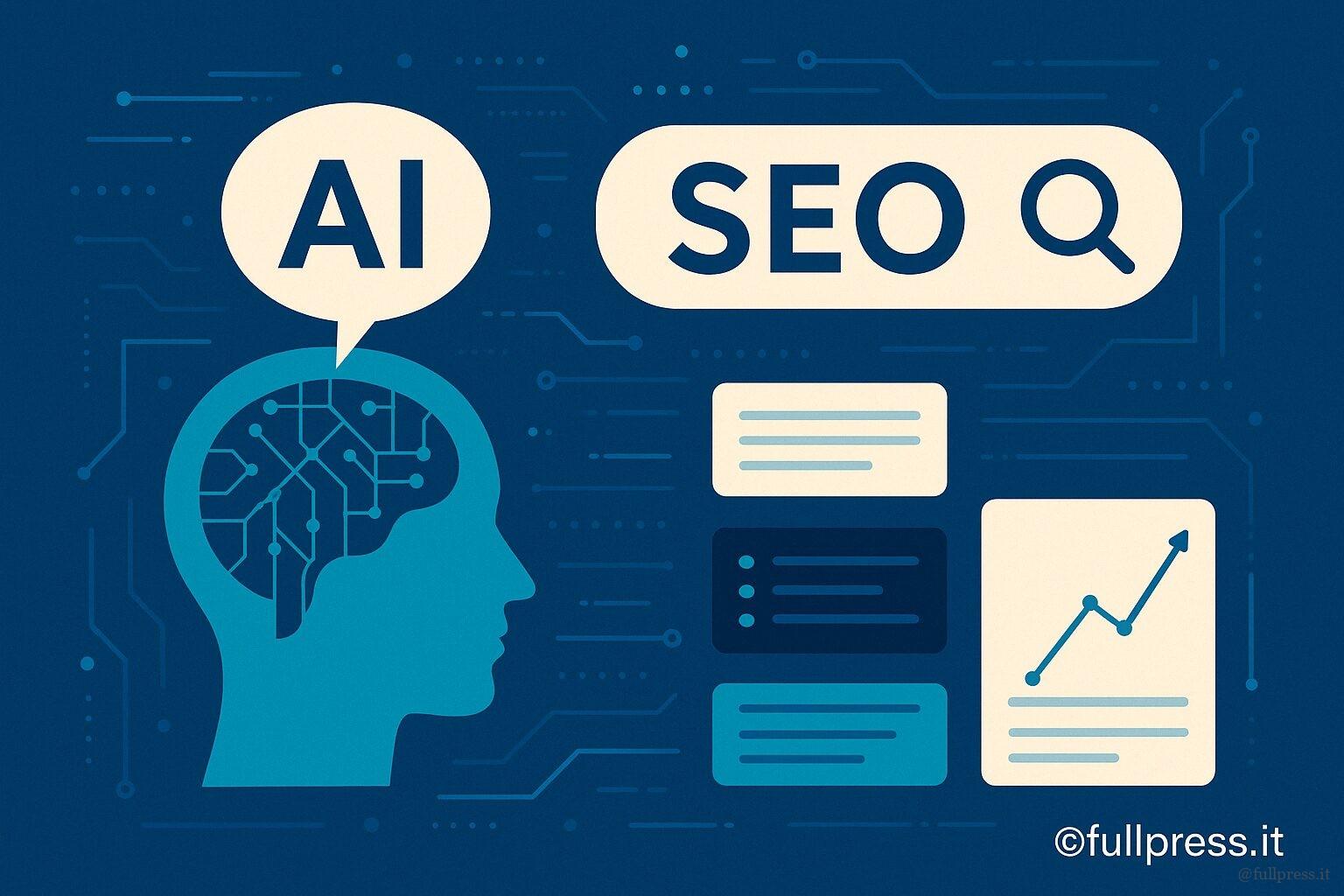
AEO, which stands for Answer Engine Optimization, is the optimization of content for AI-based answer engines. Unlike traditional SEO, which aims to rank in search engine results, AEO has a more direct goal: to be cited, summarized, or correctly reformulated by generative AIs.
Answer Engines: How the Rules are Changing
ChatGPT (based on GPT-4), Microsoft’s Copilot, and Google’s Gemini are just a few examples of conversational AIs that are redefining how people seek information. These models do not display links like Google does, but directly generate a response.
In this new landscape, being visible means being the sources cited by AIs, not just achieving a good SERP ranking.
Differences Between SEO and AEO
SEO relies on keywords, links, meta tags, and site structure to climb search engine rankings. AEO, on the other hand, focuses on:
- clarity of answers
- semantic readability (well-organized headings, lists, questions/answers)
- reliability and accuracy
- source traceability (authoritative sites, attributed content, valid links)
The focus shifts from “ranking” to “being interpreted and used” correctly by a language model.
AEO: Also Known by Other Names
Although AEO is the most common term among experts, some refer to it as AI SEO, Generative Engine Optimization (GEO), or AI Visibility Optimization. In all cases, the concept is the same: making content useful for the AIs that generate answers.
How to Do AEO in Practice
AEO starts with the content. Here are some fundamental best practices:
- Answer one question per section, using clear headings
- Use lists, examples, glossaries, and citations
- Implement Schema.org markup where possible (FAQ, HowTo, Article)
- Write naturally, yet technically: AI appreciates clear and organized texts
- Signal your content with files like lms.txt, specifically designed to help AIs
What Changes for Publishers, Bloggers, and Businesses
Those who produce online content can no longer think only about Google rankings. Today, it is essential to also be among the sources chosen by AIs. This applies to anyone writing guides, answers, reviews, tutorials, glossaries, or informational articles.
A well-structured, accurate, and up-to-date piece of content is more likely to be understood, selected, and cited by a conversational engine compared to chaotic, unclear, or overly promotional text.
Does AEO Also Improve Classic SEO?
Yes. AEO practices improve user experience and help Google better understand content, which also benefits rankings. Furthermore, if content is cited by an AI, it can generate indirect visibility, links, and authority.
AEO, AI SEO, and Other Names
Although the most correct and common term is AEO (Answer Engine Optimization), there are other ways to refer to this emerging discipline. Some talk about AI SEO, others about Generative Engine Optimization (GEO), or AI Visibility Optimization. All these terms indicate the same objective: to optimize content so that it is understood, selected, and cited by generative artificial intelligences.
Conclusion
AEO is not a fad, but a necessary adaptation to a web where answers no longer come solely from links, but from conversational models. Preparing your content to be read, understood, and cited by AIs is today one of the smartest strategies for building lasting digital authority.
Frequently Asked Questions about AEO
What is AEO?
AEO stands for Answer Engine Optimization, a form of content optimization designed to make a site understandable and citable by generative artificial intelligences, such as those used by ChatGPT, Copilot, and Gemini.
How does it differ from classic SEO?
SEO aims to get the site to appear in search results. AEO, on the other hand, aims to ensure that AIs understand and use your content to generate relevant and reliable answers.
What are the best practices for AEO?
Answering specific questions, using clear headings, structuring text with lists and semantic markup, including FAQs and glossaries, and potentially using files like lms.txt.
Is AEO also useful for Google?
Yes, because it improves content clarity and structure, helping Google to better understand and potentially reward it in classic SEO terms as well.
Which AIs use content optimized with AEO?
Major generative language models such as those integrated into ChatGPT, Microsoft Copilot, Gemini, Claude, and other conversational tools.
Be the first to comment